
The RTCS Cybersecurity Content Hub
Research.
Evidence.
Outcomes.
Explore original cybersecurity articles and real client case studies from Red Threat Cyber Security practitioners. Learn how threats work, what controls matter, and how RTCS applies security engineering in live environments.
- 24
- Articles
- 6
- Case studies
- 30
- Total resources
Content at a glance
What is inside the RTCS content hub?
Articles explain modern attack paths, technical lessons, and defensive priorities. Case studies document how RTCS has tested, engineered, and managed security for healthcare, AI, e-commerce, social, and remote-work environments.
- Understand real attack mechanics
- Connect technical flaws to business risk
- Identify practical defensive priorities
Highlighted content
Start with what matters most.
Two timely security articles and one outcome-focused client case study selected for their immediate relevance and practical value.
 Priority Read
The Patch Window Is Disappearing
Attackers can now move from public disclosure to ransomware impact within hours. This article explains why patch speed, exposure visibility, and operational response are becoming leadership issues.
Read the article Original Research
Mistral LeChat Data Exfiltration via Indirect Prompt Injection
Original RTCS research showing how attacker-controlled email content could manipulate an AI assistant into producing phishing links that leak conversation data.
Read the article Case Study
Strengthening Healthcare Data Security for QuantCare
RTCS tested QuantCare's healthcare analytics platform across APIs, integrations, identity controls, cloud architecture, and encryption, helping the team validate controls and pass its HIPAA-aligned audit.
Read the case studyBlog articles
Research, analysis, and practical lessons.
24 articles in the current view
Priority ReadThe Patch Window Is Disappearing
Attackers can now move from public disclosure to ransomware impact within hours. This article explains why patch speed, exposure visibility, and operational response are becoming leadership issues.
Read article
Original ResearchMistral LeChat Data Exfiltration via Indirect Prompt Injection
Original RTCS research showing how attacker-controlled email content could manipulate an AI assistant into producing phishing links that leak conversation data.
Read article
Claude Mythos and the New Cybersecurity Operating Model
Why frontier cyber models will compress repetitive security work without replacing engineering judgment, governance, remediation ownership, or human validation.
Read article
When Surveillance Systems Backfire
A deep dive into how cameras, interception platforms, spyware ecosystems, and surveillance databases can become high-value cyber attack surfaces.
Read article
Android Malware Reversing with Frontier LLMs
An experiment using ChatGPT and Claude to reverse an obfuscated Android application, emulate a custom virtual machine, and assess model-assisted security research.
Read article
Google's Gemini Trifecta
Three vulnerabilities showed how poisoned logs, search history, and browsing tools could turn an AI assistant into a vehicle for silent data theft.
Read article
Apple's Spyware Alert in France
What Apple's fourth spyware warning of 2025 reveals about zero-click attacks, executive mobile devices, mercenary spyware, and global security readiness.
Read article
One Phishing Email Put 2 Billion Downloads at Risk
A breakdown of how one convincing 2FA phishing email compromised a trusted npm maintainer and exposed the global software ecosystem to malicious package updates.
Read article
Phishing, Vishing, and Smishing Risks for Small Businesses
A practical guide to the social-engineering techniques that target small businesses and the training, verification, MFA, and response controls that reduce risk.
Read article
Building a Pentest Box with Ansible and Debian 11
Automate Debian 11 pentest environment provisioning with Ansible playbooks, core security tools, secure SSH, and repeatable custom roles.
Read article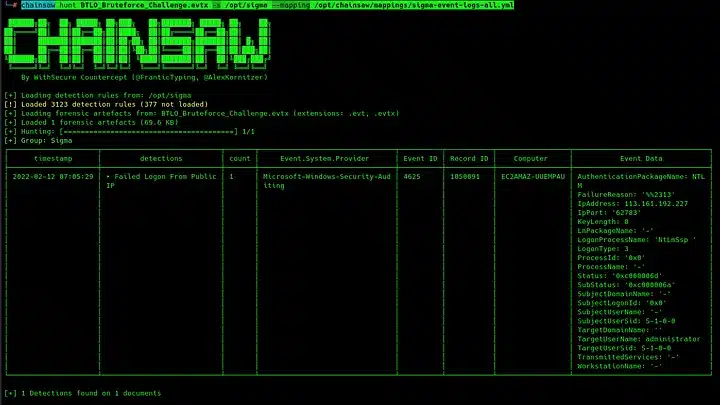
Blue Team Labs: Bruteforce Log Analysis
Use Linux, Chainsaw, and Sigma rules to analyze Windows event logs, detect brute-force activity, extract attacker IPs, and improve alerting.
Read article
Compromised WordPress Log Analysis
Analyze Apache logs to identify brute force, SQL injection, vulnerable plugin exploitation, and web-shell uploads in a compromised WordPress environment.
Read article
Selecting the Ideal E-commerce Hosting Provider
Evaluate hosting security, scalability, performance, support, cost, and reputation when building a reliable e-commerce platform.
Read article
Install PrestaShop and Webmin
Deploy PrestaShop and Webmin on Debian with Certbot, Nginx, PHP extensions, MariaDB, and practical post-installation security.
Read article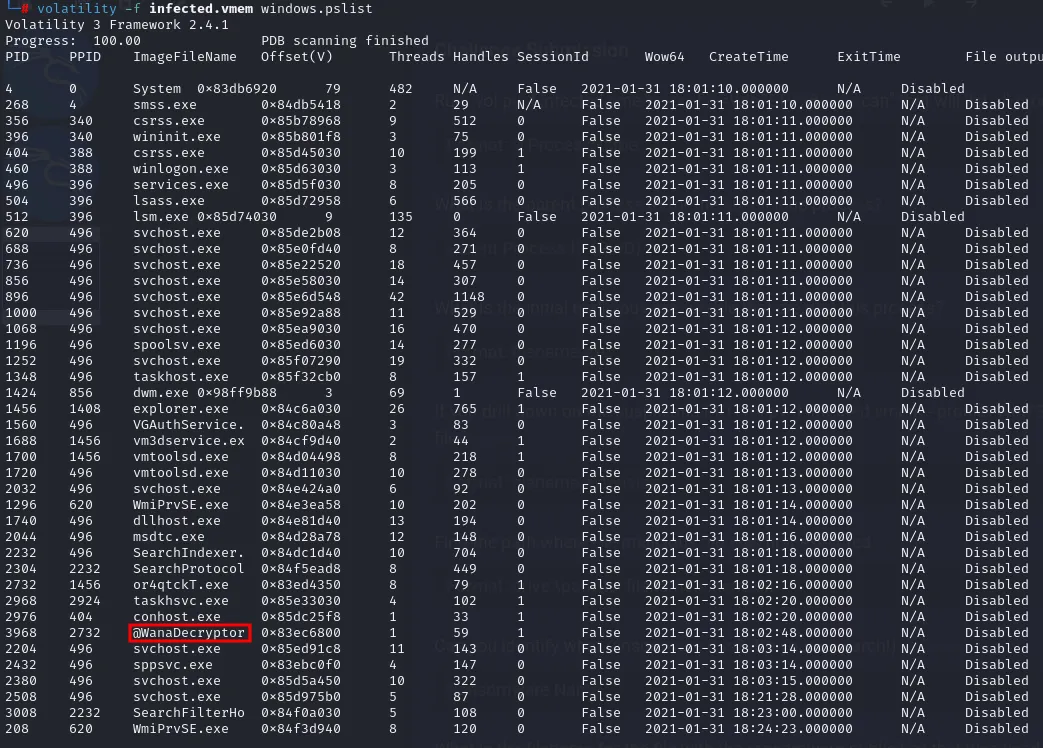
Ransomware Memory Analysis
Use Volatility to inspect a WannaCry memory image, trace malicious processes and parent PIDs, locate the dropper, and recover key material.
Read article
Navigating Online Scams and Fraud
Explore phishing, romance, cryptocurrency, and deepfake scams, including their psychological hooks, warning signs, and practical defenses.
Read article
Introduction to Ansible
Learn the essentials of agentless configuration management with inventories, YAML playbooks, roles, modules, commands, and an example workflow.
Read article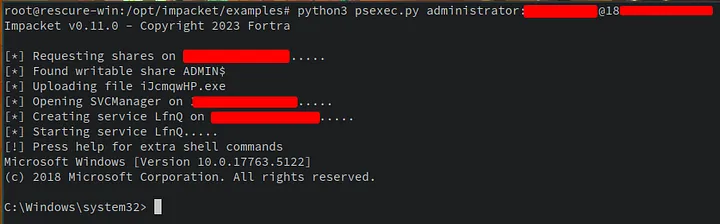
Rescue Data from a Windows Server
A hands-on Windows Server recovery walkthrough using Impacket, Metasploit, Defender controls, and MSSQL backup export techniques.
Read article
Defending WordPress from SQL Injection
Understand SQL injection vulnerabilities in WordPress plugins, real-world attacker techniques, and practical mitigation strategies.
Read article
Cyber Scams Affecting Australian Businesses
Examine the financial and reputational impact of cyber scams on Australian organizations and the role of cyber forensics in response.
Read article
Computer Forensics and Data Recovery
Review common causes of data loss, forensic recovery techniques, and the tools used to investigate and recover digital evidence.
Read article
Protect WordPress from Hacking
Apply essential WordPress hardening practices to reduce attack exposure and protect website data from common compromise paths.
Read article
How to Set Up Tailscale VPN
Configure Tailscale VPN for secure, private, and straightforward remote connectivity across devices and environments.
Read article
Setting Up WP-Hide
Use WP-Hide to obscure sensitive WordPress paths and identifiers while improving privacy and reducing avoidable platform exposure.
Read articleNo matching articles. Try a broader search or another topic.
Client case studies
Security work measured by outcomes.
6 published engagements
Case StudyStrengthening Healthcare Data Security for QuantCare
RTCS tested QuantCare's healthcare analytics platform across APIs, integrations, identity controls, cloud architecture, and encryption, helping the team validate controls and pass its HIPAA-aligned audit.
Read case study Case Study
LovIsland Meta Security Compliance
RTCS designed automated seven-day security-log reviews using AWS Lambda, S3, and Datadog so LovIsland could satisfy Meta Platform requirements and retain API access.
Read case study Case Study
Txt A Doc HIPAA Security Compliance
RTCS assessed and strengthened security for a U.S. telehealth and medical-documentation platform handling appointment, form, and provider communication data.
Read case study Case Study
Enhancing the Security Posture of QHS Labs
RTCS combined penetration testing, managed security, and DevSecOps guidance to improve a healthcare technology platform's resilience and alignment with HIPAA, NIST, and GDPR expectations.
Read case study Case Study
Managed Security for Big League Shirts
RTCS built a practical managed-security program for a growing e-commerce company with a distributed workforce, remote access, BYOD exposure, and customer-data protection requirements.
Read case study Case Study
Securing Generative AI for Kyva AI
RTCS evaluated generative-AI attack paths and applied advanced prompt-engineering controls to reduce manipulation, data exposure, and unsafe model behavior.
Read case studyKnowledge map
Browse by what you need to understand.
Jump directly to the article group most relevant to your technology, leadership priorities, or security program.
Reader questions
About the RTCS content hub.
RTCS publishes practitioner-led cybersecurity writing and evidence-backed client case studies for technical teams, founders, security leaders, and organizations evaluating security partners.
What does the RTCS cybersecurity content hub include?
The hub brings together practitioner-authored cybersecurity articles and client case studies covering AI security, application security, healthcare security, offensive security, managed security, compliance, digital forensics, infrastructure, mobile threats, and human risk.
What is the difference between the articles and case studies?
Articles explain attack techniques, security lessons, and defensive priorities. Case studies show how RTCS applied security testing, engineering, compliance, and managed services to real client environments.
Where is the RTCS content published?
The hub indexes content published on the RTCS website, the Red Threat Cyber Security LinkedIn company page, and the RTCS Medium publication. Every card links directly to its original source.

Protect today. Prepare for tomorrow.
Ready To
Secure
What
Matters?
Talk to our experts and build a security program that protects your people, data, applications, AI systems, and future.